
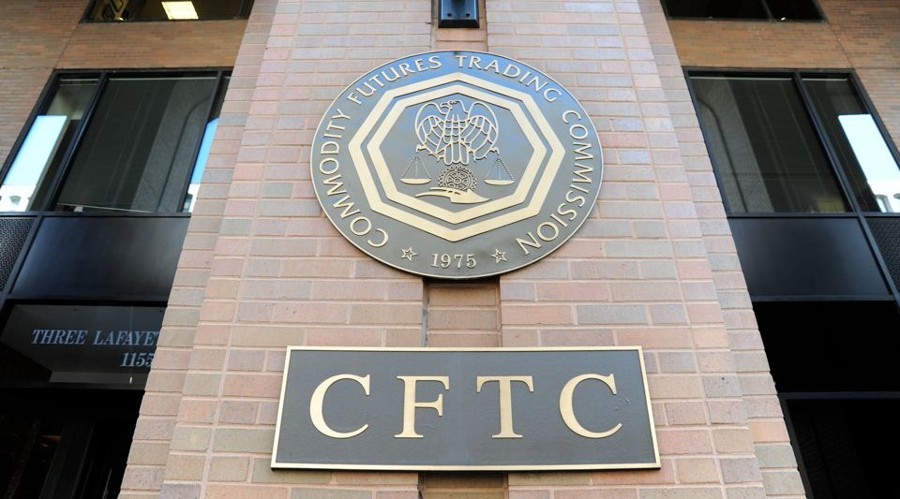
The Commodity Futures Trading Commission (CFTC) has asked a federal court to throw out CME Group’s lawsuit challenging the agency’s approval of cryptocurrency perpetual futures, calling the exchange operator’s case “much ado about nothing.”
In a motion filed Wednesday in the U.S. District Court for the District of Columbia, the CFTC argued that CME lacks legal standing because it has not plausibly alleged any competitive injury from the decision to let Kalshi and other designated contract markets list crypto perpetuals as futures. The filing sets up a dispute over how U.S. regulators classify one of crypto’s most heavily traded products.
No Injury Shown
CME sued the CFTC on June 18 over the agency’s May 29 order approving Kalshi’s bitcoin perpetual futures contract and a statement allowing other DCMs to list similar contracts as futures. The company contended that such products qualify as swaps under the Commodity Exchange Act and Dodd-Frank, and that the CFTC sidestepped regulations to clear them.
CME told the court that the approval opened its market to rivals. “In short, by authorizing Kalshi and others to enter the derivatives marketplace by listing similar cryptocurrency perpetuals as futures, the CFTC ushered new entrants into CME’s retail futures market that seek to compete with CME for retail customers,” the company said in its complaint.
The CFTC countered that CME remains free to list the same perpetual futures itself and has publicly stated that its own customers are not asking for them. Monthly figures cited in the brief show CME’s bitcoin and ether futures trading higher in June and August than in May, when the order was issued. CFTC described this, saying:
“Thus, even if CME’s vague assertions of competitive injury had any substance, those injuries are entirely self-inflicted and based on CME’s refusal to list perpetual futures for trading.”
Investor Takeaway
CME’s argument faces a hurdle because the CFTC says the exchange has not shown that approving rival crypto perpetual futures has caused it measurable competitive harm.
What Comes Next
The agency also argued that CME would not recover from “any purported injury” even if the court reclassified perpetual futures as swaps, since Kalshi and other DCMs would simply offer the contracts under the new label. Regulatory and tax differences between the two categories run too small to make CME’s claims plausible, the CFTC said.
The commission added that Congress built the Commodity Exchange Act around self-regulation, market integrity, and “responsible innovation and fair competition among boards of trade,” and said CME’s attempt to wield the statute against competition “turns that purpose on its head.” The CFTC requested an oral hearing, and CME must file its opposition by Oct. 2. CME named the CFTC and its chairman, Michael Selig, as defendants.
The suit is one thread in a broader contest over onshore perpetual futures. Kalshi has since filed with the CFTC to list perpetual futures on a 500-stock U.S. index and copper, pushing the product beyond crypto and closer to CME’s traditional markets. Hyperliquid is seeking a route to U.S. traders through licensed intermediaries, and President Donald Trump has said the CFTC is working to bring the platform into the country legally.
Investor Takeaway
The case could influence how crypto perpetual futures are regulated in the U.S., while growing competition from Kalshi and Hyperliquid could put pressure on established derivatives exchanges.