
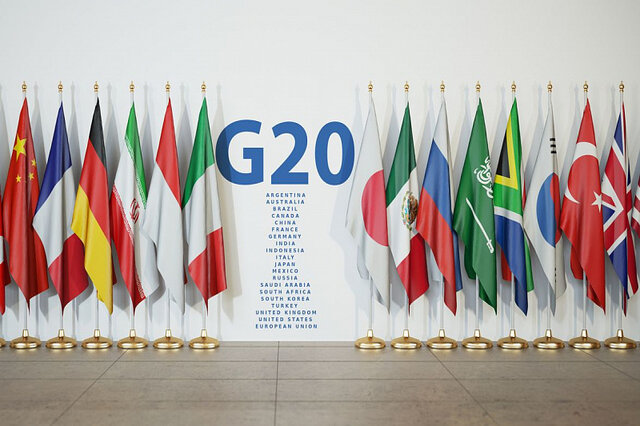
G20 finance ministers and central bank governors have pledged to open clearer regulatory routes for digital assets, backing the sector’s economic promise while committing to keep financial stability intact.
That joint stance ties digital asset policy to the group’s wider agenda on financial oversight and cross-border payments, and it names private firms as the main engine of the innovation the officials want to encourage.
G20 Growth Meets Guardrails
US Treasury Secretary Scott Bessent, who chairs the finance track under the United States’ 2026 G20 presidency, released the Chair’s Statement on September 1 after ministers and central bank governors wrapped a two-day meeting in Asheville, North Carolina. The gathering marked their second session of the year.
The officials said digital financial innovation, including digital assets, can help broaden economic growth, and they named the private sector as the key force driving that innovation. They balanced that endorsement with a pledge to guard financial stability and hold public confidence in money and payment systems steady as the shift plays out.
The G20 agreed approach favours frameworks that protect stability, lift growth and map clear pathways for the sector to develop safely, while weighing opportunities and risks that reach across borders. The commitment centres on advancing each country’s own rules while accounting for the way digital finance crosses borders, rather than imposing a single template on every member.
Bessent had earlier placed support for a digital asset ecosystem and stronger cross-border payments near the top of his presidency’s priorities, and the Asheville statement carried both themes forward. He had set out those goals when he opened the year’s finance-track agenda, pairing them with pledges to modernise financial regulation and speed cross-border transfers.
Tokens and the Rails Beneath Them
The G20 officials singled out stablecoins for closer scrutiny, flagging pending Financial Stability Board work on how the tokens behave across borders. They said they expect that analysis to map where stablecoin data comes from, whether supervisors can reach it and what gaps sit in the information regulators currently rely on. They look forward to the board’s conclusions on the cross-border reach of large stablecoin arrangements before shaping any further response.
Several members have already moved first, with the United States, the European Union and Japan running stablecoin frameworks that spell out how issuers win a licence and how the reserves backing regulated tokens must be held. The early regimes grew from a shared reading that well-run tokens could widen access to payments and strip friction out of the current system.
Beneath the tokens sits the payments plumbing, and the group renewed its roadmap for smoother cross-border payments while pressing member countries to keep large-value systems running longer each day. Those systems carry the large or urgent transfers that pass between banks and central banks daily.
The officials also urged wider take-up of ISO 20022, the messaging standard banks and central banks use to pass payment information between one another. The standard lets institutions exchange richer, structured data as transfers move across currencies and borders.